Understanding the psychology behind risky gambling behaviors
The allure of gambling: Psychological triggers
Gambling, by its nature, taps into various psychological triggers that can often lead individuals to take on risky behaviors. One significant factor is the thrill associated with uncertainty. The unpredictability of outcomes—whether spinning a roulette wheel or drawing a card—creates an adrenaline rush that many find intoxicating. This excitement can cloud judgment, leading people to engage in gambling activities they may otherwise avoid. Resources like https://truefortunecasinos-uk.com/ offer a wide range of games catering to this dramatic allure.
Furthermore, cognitive biases such as the illusion of control play a pivotal role in risky gambling behaviors. Gamblers often believe they can influence outcomes through skill or strategy, even in games that are purely chance-based. This erroneous perception can encourage them to wager more than they can afford, as they become convinced that their decisions will yield favorable results, fostering a cycle of risk-taking.
The excitement of gambling is also reinforced by social and environmental factors. Social interactions in casinos, online platforms, or even during casual gambling with friends contribute to an environment where risks are normalized. This social aspect can amplify the thrill, pushing individuals to take bolder chances, often leading to significant financial consequences over time.
The role of emotion in risky behaviors
Emotion plays a crucial role in decision-making processes, particularly in gambling. Many individuals gamble as a means of escape from stress or negative feelings. The temporary high from winning can create a psychological dependency, where the individual seeks out gambling to experience that rush repeatedly. This emotional rollercoaster can lead to a cycle of highs and lows, further entrenching risky behaviors.
Losses can provoke strong emotional reactions that lead to what is known as “chasing losses.” This phenomenon occurs when individuals continue to gamble in an attempt to recover lost money. Unfortunately, this often results in greater losses, compounding the emotional distress. The feeling of desperation can skew decision-making, pushing gamblers to take increasingly dangerous risks to regain what they’ve lost.
Moreover, the concept of “near misses”—situations where a player comes close to winning but ultimately fails—can stimulate continued gambling despite losses. This emotional push can lead individuals to misinterpret their performance, fostering a belief that they are “due” for a win. As a result, they may increase their wagers, further entrenching themselves in a cycle of risky behavior.
The impact of addiction and compulsion
Addiction is a critical factor in understanding risky gambling behaviors. Problem gambling, often categorized as a behavioral addiction, can severely impact an individual’s life. Those with gambling disorders may struggle to control their urges, leading to repeated engagements in high-risk gambling situations despite detrimental consequences. The compulsive nature of this addiction often exacerbates the risk taken, as individuals prioritize gambling over essential responsibilities.
The neurobiological aspect of gambling addiction also cannot be overlooked. Research indicates that the same brain circuits activated during substance abuse are engaged during gambling. This means that the euphoric feelings experienced during gambling can become so potent that they override rational thought, further driving individuals towards risky behaviors and compounding their addiction.
Recovery from gambling addiction requires a multifaceted approach, involving therapy, support groups, and often a restructuring of one’s environment. Understanding the compulsive aspect of gambling helps frame why some individuals are drawn to high-risk behaviors despite knowing the potential negative outcomes. The road to recovery is often complex and needs to address underlying emotional and psychological issues.
Prevention and intervention strategies
Understanding the psychology behind risky gambling behaviors is essential for effective prevention and intervention strategies. Education plays a vital role in raising awareness about the risks associated with gambling. By informing potential gamblers about the psychological traps and emotional responses tied to gambling, individuals can better equip themselves to make informed decisions. Awareness campaigns can help mitigate risky behaviors by promoting responsible gambling practices.
Support networks also play a crucial role in prevention. Friends and family can be instrumental in identifying early signs of gambling problems and providing support. Engaging in open discussions about the risks associated with gambling can create a culture of accountability, allowing individuals to feel more comfortable seeking help if needed. Furthermore, establishing limits on time and money spent gambling can serve as proactive measures to prevent falling into risky behaviors.
Intervention programs are also essential for those already exhibiting problematic gambling behaviors. Counseling and cognitive-behavioral therapy can provide individuals with tools to understand their motivations and develop healthier coping mechanisms. By addressing the root psychological issues contributing to risky gambling, individuals can learn to break the cycle and foster a more positive relationship with gambling.
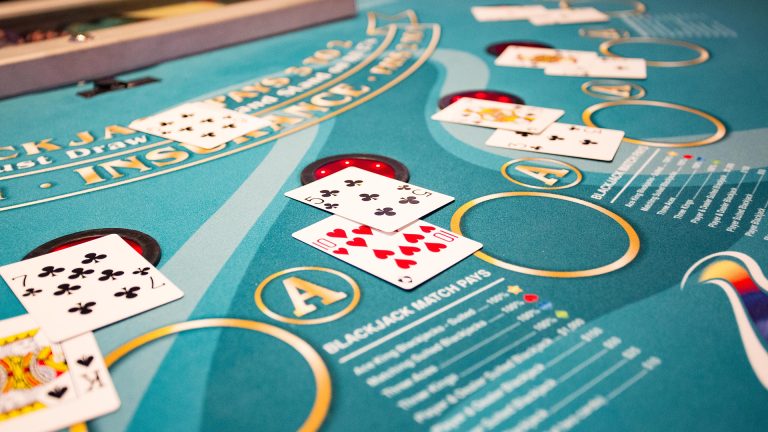
True Fortune Casino: A responsible gaming environment
True Fortune Casino is dedicated to fostering a responsible gaming environment that acknowledges the psychological aspects of gambling behaviors. They implement various responsible gambling measures aimed at promoting safe and enjoyable gaming experiences. This includes setting deposit limits, offering self-exclusion options, and providing resources for those seeking help with gambling addiction.
By promoting awareness and education about the psychology of gambling, True Fortune Casino seeks to empower players to make informed choices. Their extensive support resources ensure that players are aware of the risks and have access to assistance when needed. This commitment to responsible gaming underscores the casino’s dedication to creating a safe gaming environment that acknowledges and respects the complexities of gambling behaviors.
In conclusion, understanding the psychology behind risky gambling behaviors is vital for both players and operators. As the gaming landscape continues to evolve, fostering an environment that prioritizes responsible practices will become increasingly important. True Fortune Casino’s initiatives demonstrate a proactive approach to addressing these challenges, ultimately contributing to a safer and more enjoyable gaming experience for all involved.